
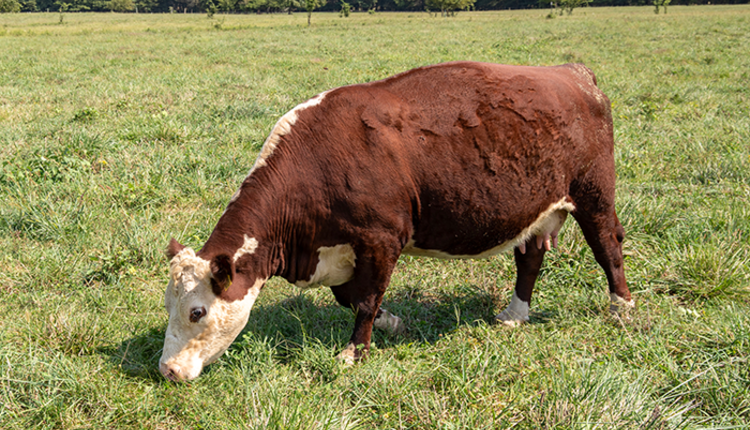
Pasture, Rangeland, and Forage coverage play an essential role in protecting livestock operations from rainfall shortages. Unlike traditional yield-based policies, this program focuses on precipitation levels rather than crop output. When rainfall falls below expected levels, policyholders receive payments that help offset losses related to forage production.
While PRF crop insurance offers valuable protection, enrolling without a clear understanding of how it works can lead to missed opportunities or inadequate coverage. Many producers make avoidable mistakes during the enrollment process that can impact their financial security. This guide explores the most common errors and how to avoid them so you can make informed decisions for your operation.
Not Fully Understanding How PRF Coverage Works
One of the most frequent mistakes is assuming that PRF crop insurance works like traditional crop insurance. Instead of covering yield loss, this program is based on rainfall indexes within specific grid areas. Payments are triggered when precipitation levels fall below historical averages.
Producers who do not fully understand this structure may expect payouts that do not align with their actual conditions. For example, even if your land experiences low rainfall, a payout may not occur if the broader grid area does not meet the threshold.
Taking time to learn how rainfall indices are calculated and how they apply to your location is critical. Working with top crop insurance agents can help clarify these details and ensure that your expectations match the policy design.
Choosing Coverage Levels Without Proper Analysis
Another common mistake is selecting coverage levels without carefully evaluating your farm’s needs. Coverage levels determine how sensitive your policy is to rainfall changes and how much protection you receive.
Some producers opt for lower coverage to reduce premiums, only to find that their protection is insufficient during dry periods. Others may select higher coverage without understanding how it affects cost and payout structure.
A thoughtful approach involves analyzing historical rainfall patterns, forage production needs, and financial risk tolerance. Consulting top crop insurance agents can provide valuable insights into choosing the right balance between cost and protection.
Overlooking the Importance of Interval Selection
PRF coverage allows producers to choose specific time intervals during the year when rainfall is most critical. These intervals play a major role in determining when payouts may occur.
A common mistake is selecting intervals without considering the growth cycles of forage. If coverage is placed in months that are less important for your operation, you may miss out on protection when it matters most.
Understanding your local growing season and identifying key periods of moisture demand can improve the effectiveness of your policy. Careful interval selection ensures that your coverage aligns with actual production needs.
Failing to Review Historical Data
Historical rainfall data provides valuable insights into how PRF crop insurance may perform over time. Ignoring this information can lead to poorly informed decisions.
Producers who do not review past data may choose coverage levels or intervals that do not align with typical weather patterns. This can result in lower payouts or inconsistent protection.
Reviewing historical trends helps you understand how often rainfall falls below average in your area. It also allows you to evaluate different coverage scenarios and choose options that best fit your risk profile.
Relying Solely on Price When Selecting a Policy
Cost is an important factor, but focusing only on price can lead to inadequate coverage. Choosing the lowest premium option may save money upfront, but leave you vulnerable during periods of drought.
A comprehensive evaluation should consider both cost and value. This includes coverage levels, interval selection, and potential payouts. A well-structured policy provides meaningful protection rather than just a lower premium.
Top crop insurance agents can help you compare options and understand the trade-offs between different choices, ensuring that you select a policy that meets your needs.
Not Working with Experienced Agents
Attempting to navigate PRF crop insurance without professional guidance is a common mistake. The program involves multiple variables, including grid selection, intervals, and coverage levels.
Experienced agents bring valuable knowledge and can help you avoid costly errors. They understand how different factors interact and can recommend strategies tailored to your operation.
Choosing to work with top crop insurance agents ensures that you receive accurate information and expert support throughout the enrollment process.
Ignoring Grid Differences and Location Factors
PRF coverage is based on grid areas rather than individual farms. Each grid has its own rainfall data, which may not perfectly reflect conditions on your land.
Some producers overlook this detail and assume that their coverage will match their exact rainfall experience. In reality, there can be variations between your farm and the broader grid.
Understanding how your location fits within the grid system is essential. Reviewing grid maps and historical data can help you make more informed decisions about coverage placement.
Waiting Too Long to Enroll
Enrollment deadlines are strict, and missing them can leave you without coverage for the year. Some producers delay the process, either due to uncertainty or competing priorities.
Waiting too long reduces the time available to evaluate options and make thoughtful decisions. It can also result in rushed choices that may not align with your needs.
Starting the enrollment process early allows you to review data, consult experts, and select the best coverage for your operation.
Failing to Reevaluate Coverage Each Year
Agricultural conditions change over time, and your insurance coverage should reflect those changes. A common mistake is renewing the same policy year after year without reassessment.
Changes in rainfall patterns, forage production, or financial goals may require adjustments to your coverage. Regular reviews ensure that your policy remains relevant and effective.
Top crop insurance agents often recommend annual evaluations to identify opportunities for improvement and ensure that your coverage continues to meet your needs.
Misunderstanding Payment Expectations
PRF payments are based on rainfall indexes, not actual losses on your farm. Some producers expect payments whenever they experience dry conditions, which can lead to frustration.
Understanding how payments are calculated helps set realistic expectations. It also allows you to plan for different scenarios and incorporate insurance into your overall risk management strategy.
Clear communication with your agent can help you understand when and how payments are triggered.
Overlooking the Role of Risk Management Planning
PRF coverage should be part of a broader risk management plan. Relying on it as the sole form of protection can leave gaps in your strategy.
Combining PRF crop insurance with other tools, such as financial planning and operational adjustments, creates a more comprehensive approach. This ensures that you are prepared for a wide range of challenges.
A well-rounded strategy provides greater stability and supports long term success.
Not Keeping Accurate Records
Accurate record keeping is essential for evaluating the effectiveness of your coverage. Without proper documentation, it can be difficult to assess how your policy performs over time.
Maintaining records of rainfall, forage production, and financial outcomes allows you to make data-driven decisions. It also helps you identify areas where adjustments may be needed.
Good record keeping supports continuous improvement and ensures that your coverage remains aligned with your goals.
Underestimating the Value of Expert Guidance
Some producers view insurance as a simple transaction rather than a strategic decision. This mindset can lead to missed opportunities for optimization.
Working with knowledgeable professionals provides access to insights that can improve your coverage and overall risk management. Top crop insurance agents bring experience and perspective that can help you make better decisions.
Their guidance can be especially valuable when navigating complex programs like PRF.
Making Smarter Enrollment Decisions
Enrolling in PRF crop insurance is an important step in protecting your operation, but it requires careful planning and informed decision-making. Avoiding common mistakes can significantly improve the effectiveness of your coverage.
By understanding how the program works, analyzing your needs, and working with experienced professionals, you can create a policy that provides meaningful protection. Taking a proactive approach ensures that you are prepared for changing conditions and can manage risk with confidence.
As you consider your options, focus on building a strategy that aligns with your goals and supports long term stability. With the right decisions in place, PRF crop insurance can become a valuable tool in safeguarding your farm’s future.


