
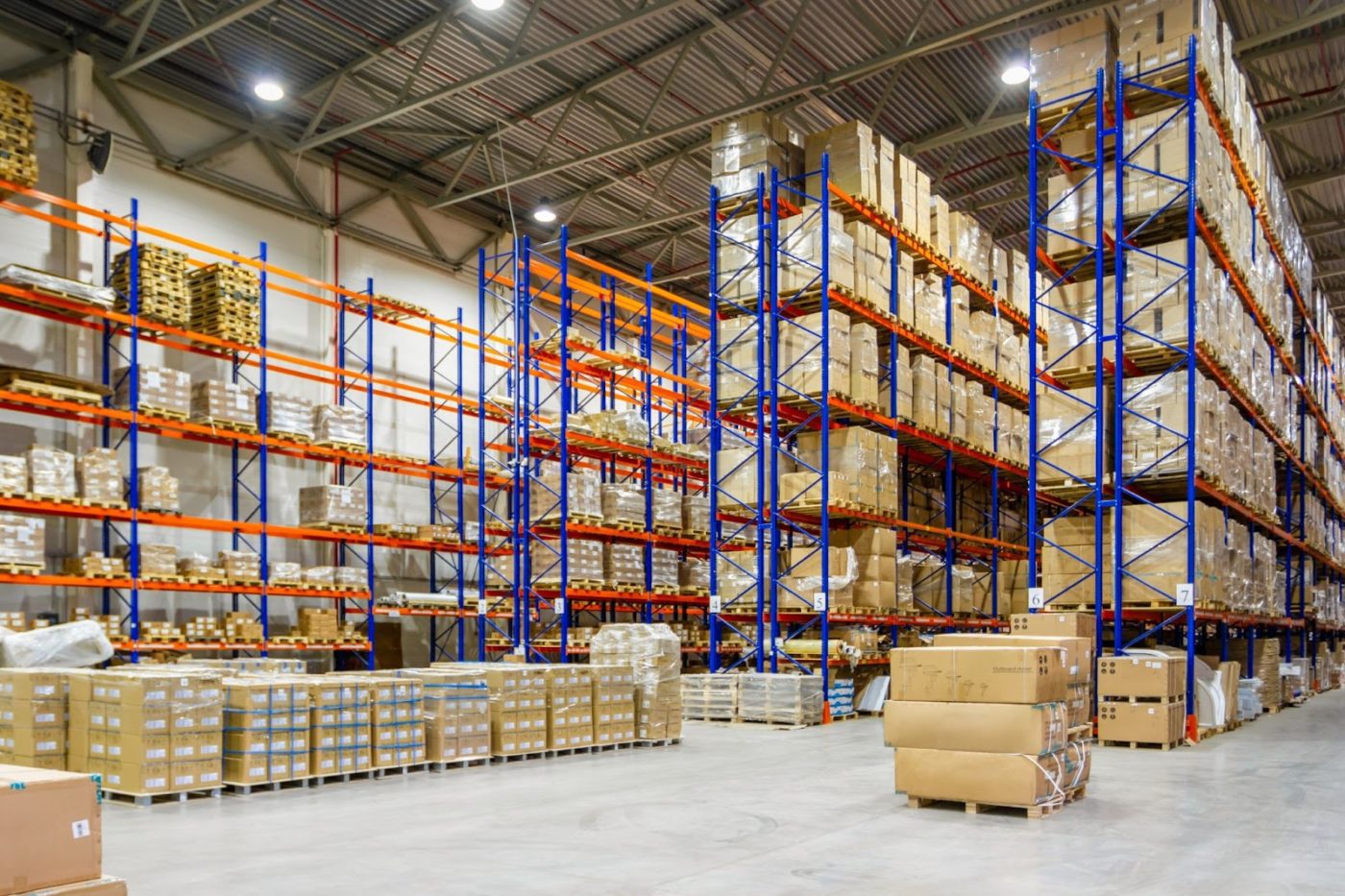
Pallet racking systems instantly multiply your available storage capacity by utilizing vertical square footage that otherwise goes to waste. Most optimized warehouses burn capital by leaving the upper two-thirds of their facility completely empty while crowding the floor. Moving inventory off the ground and into structured vertical tiers slashes handling times and optimizes operational flow. Implementing the right industrial storage configuration transforms chaotic floor spaces into high-throughput logistics hubs.
Maximizing Vertical Space and Storage Density
The immediate benefit of industrial racking is the radical expansion of total storage capacity without expanding the physical footprint of the building. Traditional floor stacking limits how high you can safely store inventory before pallets buckle under their own weight. Vertical frames allow you to stack inventory multiple levels high, effectively doubling or tripling your usable storage area.
This vertical optimization means you can house more stock keeping units in the exact same facility, deferring or completely eliminating the need for expensive warehouse relocation. By compressing the physical area required to store goods, you create a compact operational zone. This high-density storage layout reduces the distance personnel must travel to store and retrieve inventory, keeping overhead low.
Accelerating Order Fulfillment and Inventory Retrieval
Structured racking directly improves picking speeds by creating fixed, predictable paths for warehouse equipment and personnel. When inventory rests in designated bays rather than random floor stacks, forklift operators identify and access specific pallets in seconds. This structured accessibility eliminates the time wasted moving multiple pallets out of the way just to reach an item buried at the bottom of a stack.
Improving retrieval speeds creates a cascading positive effect throughout your entire supply chain. Faster pick times lead to shorter dock turnaround times, increased daily shipments, and fewer shipping bottlenecks. When workers spend less time searching for buried stock, labor costs drop while overall fulfillment accuracy increases.
Improving Warehouse Safety and Reducing Product Damage
Industrial shelving systems protect your inventory and your workforce by stabilizing heavy materials on heavy-duty steel beams. Floor-stacked pallets are prone to shifting, leaning, and collapsing, which presents an immediate safety hazard to ground staff. Pallet racks isolate the weight of each load, ensuring that pallets on lower levels are never crushed by the weight of inventory stacked above them.
Furthermore, these systems organize forklift traffic by establishing rigid, clearly defined aisles. Operators navigate predictable paths with clear visibility, reducing accidental collisions with inventory or building structures. Protecting stock from crushing and eliminating warehouse traffic accidents significantly lowers write-offs from damaged goods.
Optimizing Inventory Management and Tracking Accuracy
Organized racking streamlines inventory control by making stock levels visible from the warehouse floor. Warehouse managers can conduct visual cycle counts quickly because every pallet rack sits in an assigned, labeled location. This spatial clarity integrates seamlessly with modern warehouse management software and barcode scanning systems.
When every product has a dedicated coordinate, picking errors drop toward zero. Workers no longer lose time hunting down misplaced pallets, and purchasing teams can accurately assess stock levels at a single glance. This organization prevents capital from being tied up in excess safety stock that gets lost in unorganized floor clusters.
Conclusion
Upgrading to a professional pallet racking system is a foundational investment that scales with your business growth. Maximizing vertical density, accelerating retrieval speeds, and establishing rigid safety standards directly protects your bottom line. An optimized layout reduces waste, optimizes labor hours, and transforms your storage facility into a competitive asset. Evaluate your current floor utilization today to determine which racking configuration will unlock the hidden capacity already sitting in your building.


